Fall Sensory Activities We Do at Pequeños Genios

Sensory play lets young children learn by exploring real materials with their senses. This fall at Pequeños Genios, that means painting with fall colors, seasonal sensory and art experiences, and seasonal foods, all child-paced and focused on the process, not the product. Children explore in their own way, and no child is ever forced to touch something they’re uncomfortable with.
What’s The Difference Between Daycare and Preschool?
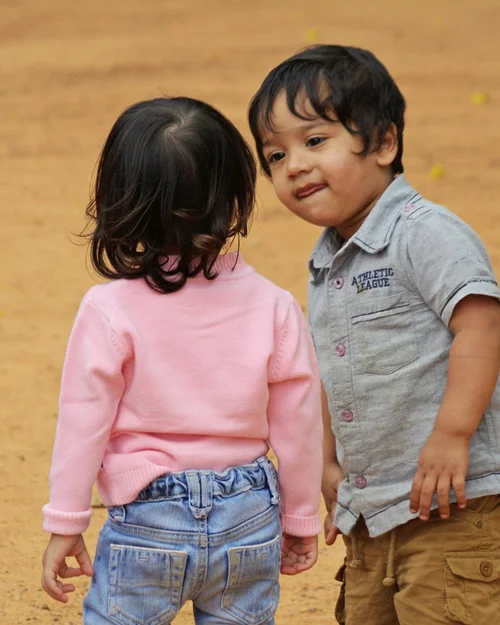
Daycare is full-day care built around a family’s work schedule, while preschool is usually a shorter, school-style program for ages 3 to 5. But learning isn’t limited to preschool. At Pequeños Genios, we’re a licensed child care program with a full bilingual curriculum, so care and early learning happen together all day.
How to Choose the Right Daycare: A Parent’s Checklist

Start with the essentials: confirm the daycare is licensed, check its quality rating, and ask about caregiver ratios and the daily routine. Then visit in person, ideally with your child, and notice how caregivers talk with children. This checklist walks through each step, including what to look up on Washington’s Child Care Check.
How Montessori Principles Support Emotional Development in Toddlers

Montessori principles support toddler emotional development by giving children the freedom to try things independently, within a calm, predictable environment where they feel safe to struggle a little before asking for help. At Pequeños Genios, our Montessori Hybrid approach blends this independence with close emotional support, never rushing a toddler past their own pace.
What Does a Typical Day Look Like at a Home-Based Daycare?

By Jenniffer Paez Quick Answer: A typical day at Pequeños Genios follows a consistent rhythm — arrival and free play, structured learning activities, outdoor time, meals, and a rest period — all woven with bilingual Spanish-English interaction throughout. Predictable routines help children feel secure while giving them room to explore at their own pace. Why […]
5 Signs Your Toddler Is Ready for a Bilingual Preschool Program

Most toddlers are ready for a bilingual preschool program between ages 2 and 3, once they show curiosity about words, growing independence, comfort separating from parents, and enjoyment of social play. Readiness isn’t about already speaking two languages — toddlers pick up a second language naturally through daily immersion.
What Makes Pequeños Genios Different From a Typical Daycare?

What makes Pequeños Genios different is simple: we truly know each child, we blend mixed-age classrooms so kids learn at their own pace, we serve homemade meals every day, and we treat families like family — all inside a licensed, home-based Montessori Hybrid program in Sultan, WA.
What Ages Does Pequeños Genios Accept? Infant to School-Age Explained

Pequeños Genios welcomes children from 3 months through 13 years old. We organize care into four age groups — infants, toddlers, preschoolers, and school-age children — each with activities suited to their stage of development. We’re open Monday through Friday, 6:00 AM to 5:30 PM.
Does Pequeños Genios Accept DSHS or WCCC Childcare Assistance?

Yes — Pequeños Genios accepts Washington’s Working Connections Child Care (WCCC) subsidy, administered through DSHS/DCYF. Eligible families pay a reduced monthly copay based on income and family size, while the state covers the rest. We’re happy to walk you through the process.
What Is Our Montessori Hybrid Approach? A Parent’s Guide

Children benefit from bilingual daycare even if English is the only language spoken at home. Early exposure to a second language strengthens memory, focus, and problem-solving skills. Many English-only families at Pequeños Genios choose our program specifically for this benefit.